Losing money at a casino can trigger strong emotions that cloud judgment and lead to poor decisions. Many players find themselves feeling angry, frustrated, or desperate to win back what they lost. These feelings are normal, but acting on them usually makes things worse.
The key to staying calm after a casino loss is to step away immediately, acknowledge the emotional response, and use specific techniques to regain clear thinking before making any more decisions. Strong emotions after a loss often push people to keep gambling in hopes of recovering their money. This rarely works and typically leads to bigger losses.
Learning to manage emotions after losing helps players avoid common mistakes and maintain control. This article covers why losses trigger such powerful reactions, practical methods to calm down quickly, and ways to build better habits for the future. It also explains when to seek help and how to take care of mental health during recovery.
Understanding Emotional Responses to Casino Loss
Losing money at a casino triggers a range of emotional and physical reactions that can cloud judgment and lead to poor decisions. These feelings stem from brain chemistry, unmet expectations, and the financial stress that follows a loss.
Recognizing Common Reactions
Casino losses create predictable emotional patterns that most players experience. Anger often appears first, especially when a player expected to win or came close to a big payout. This frustration can make someone feel cheated or unlucky.
Disappointment follows when reality doesn’t match what a player hoped would happen. Many people also feel embarrassment or shame about losing money, particularly if they can’t easily afford the loss.
Anxiety is another common response. Worry about finances, relationships, or future gambling decisions can take over a person’s thoughts. Some players feel an immediate urge to keep gambling to win back their money.
Physical symptoms often accompany these emotions:
- Racing heartbeat
- Tightness in the chest
- Difficulty concentrating
- Trouble sleeping
- Loss of appetite
These reactions are normal responses to financial loss and stress. Recognizing them helps a person understand they’re not alone in how they feel.
The Role of Expectations
Expectations directly influence how someone reacts to a casino loss. A player who believed they would win big will feel more disappointment than someone who expected nothing. The gap between what someone hoped for and what actually happened determines the emotional impact.
Many gamblers develop unrealistic expectations about their chances of winning. They remember their wins more than their losses or believe they’re “due” for a win after several losses. These false beliefs make losses feel more shocking and unfair.
Players who understand that losses are part of gambling handle setbacks better. They know the odds favor the house and don’t take losses personally.
Short-Term Versus Long-Term Impact
The immediate aftermath of a loss creates the strongest emotional response. In the first few hours, feelings of anger, regret, and anxiety peak. Strong emotions during this period often lead to impulsive decisions like trying to win money back quickly.
These intense feelings usually fade within 24 to 48 hours. The mind and body naturally calm down as time passes.
Long-term emotional effects depend on the size of the loss and a person’s financial situation. A loss that creates serious money problems can lead to ongoing stress and worry. Repeated losses over time can damage self-esteem and relationships. Some people develop anxiety about money or avoid dealing with their finances altogether.
Immediate Techniques for Regaining Calm
When emotions spike after a loss, the body’s stress response kicks in and clouds judgment. Quick, practical methods can interrupt this reaction and restore mental clarity within minutes.
Breathing and Mindfulness Exercises
Deep breathing activates the body’s natural calming system. A person should inhale slowly through the nose for four counts, hold for four counts, and exhale through the mouth for six counts. This pattern should be repeated five to ten times.
The 5-4-3-2-1 technique works well in casino environments. A player identifies five things they can see, four things they can touch, three things they can hear, two things they can smell, and one thing they can taste. This exercise shifts focus away from the loss and onto the immediate environment.
Box breathing offers another option. The person breathes in for four seconds, holds for four seconds, breathes out for four seconds, and holds empty for four seconds. Military personnel use this method in high-stress situations because it works quickly.
Taking a Physical Break
Walking for ten minutes immediately after a loss helps clear the mind. Movement releases tension and gives the brain time to process what happened without making impulsive decisions.
Leaving the casino floor is critical. A person should step outside for fresh air, even if just for a few minutes. The change in environment breaks the emotional connection to the gaming area.
Physical actions that help:
- Walking to a restaurant or cafe
- Going to the parking lot
- Finding a quiet lobby area
- Visiting the restroom to splash water on the face
Closing the casino app or leaving the website prevents the temptation to chase losses. Players who keep tabs open or stay at machines typically make the problem worse.
Grounding Yourself in the Present
The gambler should state facts out loud or in their mind. “I lost money. I am leaving now. Tomorrow is a new day.” Simple statements reduce emotional intensity.
Physical grounding techniques work fast. A person can press their feet firmly into the floor, squeeze their hands together, or hold a cold drink. These actions remind the body where it is right now, not in past losses or future wins.
Checking the time and date helps reset perspective. The person can look at their phone or watch and acknowledge the specific moment they’re in. This breaks the mental loop of replaying the loss repeatedly.
Developing a Healthy Relationship With Gambling
A healthy approach to gambling starts with clear rules and realistic expectations. Players who treat casino games as entertainment rather than income sources tend to experience less stress after losses.
Setting Boundaries Before Playing
Smart gamblers set firm limits before they start playing. This means deciding exactly how much money they can afford to lose and sticking to that amount no matter what happens.
Time limits matter just as much as money limits. A player might set a rule to spend no more than two hours at the casino or to stop after reaching a certain number of rounds. These boundaries help prevent emotional decisions that often happen during extended playing sessions.
Key boundaries to establish:
- Maximum loss amount per session
- Time limits for each visit
- Frequency of gambling activities
- Never using money meant for bills or essentials
Writing these limits down makes them harder to ignore. Some players find it helpful to tell a friend or family member about their boundaries for added accountability.
Accepting the Risks Involved
Every casino game has a built-in advantage for the house. This means players will lose money over time if they play long enough. Understanding this reality helps reduce disappointment when losses occur.
The odds are clearly against winning in most games. Slot machines might return 85-95% of money played over time, while table games vary based on rules and player decisions. No strategy can eliminate the house edge completely.
Players who accept these facts before gambling handle losses better. They know that losing is the expected outcome, not a personal failure or bad luck. This mindset shift makes it easier to walk away without chasing losses or feeling upset.
Focusing on Entertainment Rather Than Profit
Treating gambling like any other paid entertainment changes the entire experience. A player might compare the cost of a casino visit to a concert ticket or nice dinner out.
The money spent should be viewed as the price of entertainment, not an investment. When someone budgets $100 for a casino night, they should expect to lose that amount and consider any winnings as a bonus. This approach removes the pressure to win and reduces stress when losses happen.
Players can track their cost per hour of entertainment. If someone plays for three hours with a $90 loss, that equals $30 per hour for their entertainment. This calculation helps put losses in perspective compared to other leisure activities.
Long-Term Strategies to Maintain Composure
Developing lasting emotional control requires consistent effort and specific techniques that become stronger over time. Players who build resilience, examine their responses regularly, and extract useful lessons from losses create a foundation for better decision-making in future gaming sessions.
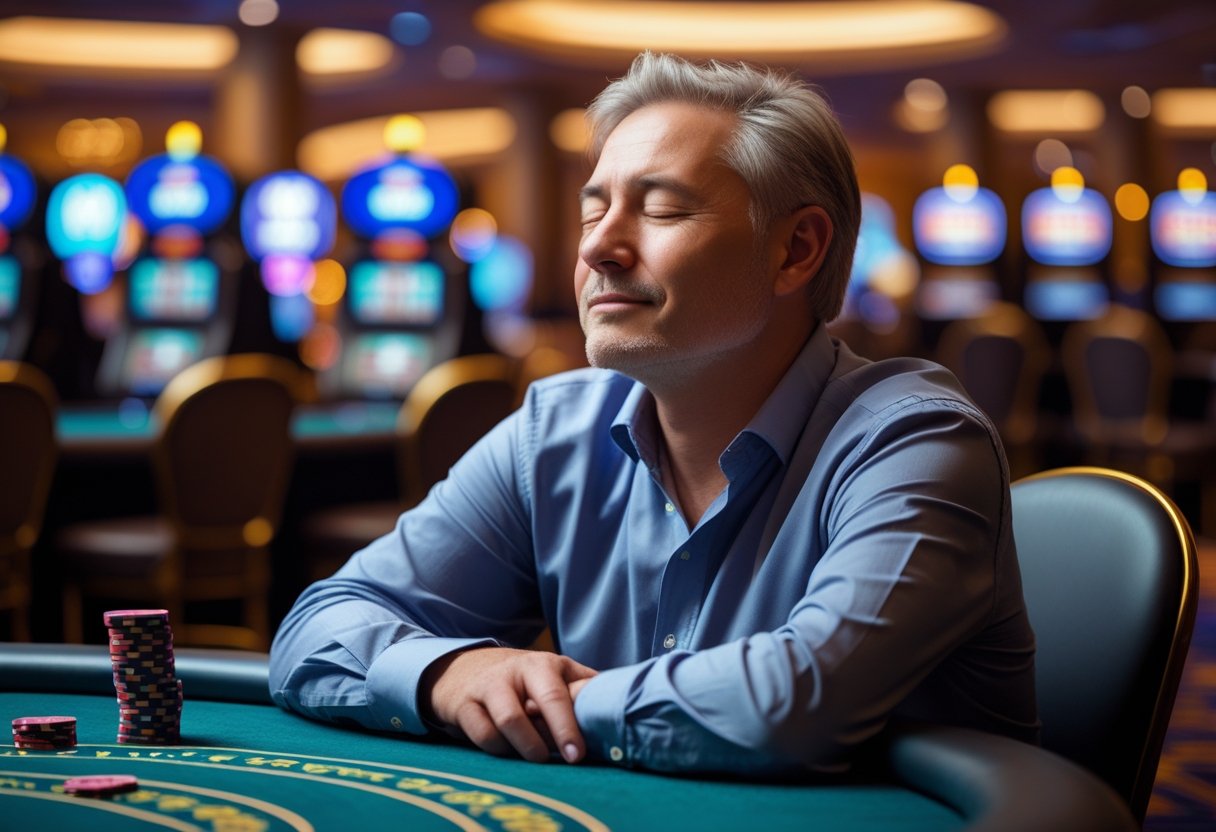
Building Emotional Resilience
Emotional resilience acts as a buffer against the negative feelings that follow casino losses. This skill allows players to bounce back faster and maintain perspective during difficult moments.
Regular mindfulness practice helps players observe their thoughts without reacting to them immediately. Even five minutes of daily breathing exercises can strengthen the ability to pause before responding to losses. Players can focus on their breath, counting each inhale and exhale, to create distance between their emotions and actions.
Physical activity supports emotional stability by reducing stress hormones in the body. A consistent exercise routine of 30 minutes three times per week provides this benefit. Walking, swimming, or basic stretching all work equally well.
Sleep quality directly affects emotional control. Players who maintain 7-8 hours of sleep per night handle setbacks more effectively. Poor sleep makes every loss feel worse and increases the likelihood of poor decisions during future gaming sessions.
Social connections provide another layer of support. Talking with trusted friends or family members about experiences helps process emotions in a healthy way.
Practicing Regular Self-Reflection
Self-reflection creates awareness of patterns in behavior and emotional responses. Players who examine their reactions to losses gain valuable insights about their triggers and tendencies.
Keeping a simple gambling journal helps track emotional states before, during, and after gaming sessions. Players should note the date, amount lost or won, mood at the start, and feelings afterward. This record reveals patterns that might otherwise go unnoticed.
Weekly review sessions take only 15-20 minutes but provide clear feedback. Players should ask themselves specific questions:
- What situations led to the strongest emotional reactions?
- Did any specific game types or betting amounts cause more stress?
- How long did negative feelings last after each session?
- What coping methods worked best?
This practice identifies warning signs early. A player might notice they always feel worse when gambling alone or after drinking alcohol. These insights allow for better planning in future sessions.
Learning From Past Experiences
Past losses contain useful information when examined objectively. Players who treat setbacks as learning opportunities rather than failures develop better judgment over time.
Creating a loss analysis system helps extract practical lessons. After any significant loss, players should write down what happened, why they think it occurred, and what they would do differently. This process removes emotion from the evaluation and focuses on facts.
Common lessons include recognizing when fatigue affected decisions, identifying games where losses typically exceed comfort levels, and understanding personal betting limits. One player might learn they make poor choices after losing three hands in a row. Another might discover they consistently overstay their planned session length.
Players should review these analyses monthly to identify recurring themes. If the same mistakes appear repeatedly, they need specific action plans to address them. Setting clear rules based on past experiences creates guardrails for future behavior.
Seeking Support and Self-Care After Loss
Recovering from a casino loss requires more than just financial planning. Reaching out to others and taking care of basic needs helps people regain their balance and avoid making things worse.
Talking With Trusted Individuals
Speaking with friends or family members can reduce the emotional weight of a loss. A person should choose someone who listens without judgment and understands their situation. This could be a close friend, family member, or someone who has dealt with similar experiences.
Honest conversations help process difficult feelings. When people keep losses secret, shame and stress often grow stronger. Sharing the experience out loud makes it feel more manageable.
The listener doesn’t need to solve the problem. Sometimes just having someone acknowledge the difficulty makes a real difference. People who talk about their losses report feeling less isolated and more capable of moving forward.
Accessing Professional Help If Needed
Some losses require help from trained professionals. A therapist or counselor who works with gambling issues can provide specific strategies for managing urges and emotions. These experts understand the patterns that lead to chasing losses.
Financial advisors help create realistic plans for recovery. They can assess the damage, set up payment schedules, and build protection against future problems.
When to seek professional help:
- Feeling unable to stop gambling despite losses
- Hiding gambling activity from others
- Using gambling to escape negative emotions
- Borrowing money to gamble or cover losses
Many organizations offer free or low-cost support for gambling concerns. Help lines provide immediate guidance and connect people to local resources.
Engaging in Healthy Distractions
Physical activity redirects mental energy away from the loss. Exercise releases chemicals in the brain that improve mood and reduce stress. A 30-minute walk or workout session can break the cycle of replaying the loss.
Hobbies and interests that existed before gambling provide grounding. Returning to these activities reminds a person of their identity beyond casino experiences.
Social activities that don’t involve gambling create new positive memories. Meeting friends for coffee, joining a sports league, or volunteering shifts focus toward connection rather than losses.
Sleep and regular meals matter more after a loss than people realize. Skipping these basics makes emotional regulation harder and increases the urge to return to the casino.
Frequently Asked Questions
Recovering from a casino loss involves managing emotions, changing gambling habits, and supporting yourself or others through difficult times. The following questions address common concerns about staying calm and making better choices after losing money.
What strategies can I employ to cope with the emotions of a gambling loss?
A person should first acknowledge their feelings instead of pushing them away. Guilt, shame, and frustration are normal reactions to losing money. Taking time to process these emotions helps prevent impulsive decisions.
Talking to a trusted friend or family member provides relief and perspective. Professional counseling offers additional support for those struggling with intense emotions. Writing down feelings in a journal can also help organize thoughts and track emotional patterns.
Physical activity reduces stress and improves mood after a loss. Exercise releases natural chemicals in the brain that promote calmness. Even a short walk can help clear the mind and reduce anxiety.
Mindfulness techniques like deep breathing or meditation help manage overwhelming emotions. These practices teach the brain to focus on the present moment rather than dwelling on past losses. Regular practice makes it easier to stay calm during stressful situations.
What steps should I take to manage my gambling habits?
Taking an immediate break from gambling is the first step. This pause gives the brain time to reset and stops the cycle of emotional decision-making. Closing casino apps and avoiding gambling websites prevents impulsive behavior.
Setting strict time and money limits before gambling helps maintain control. A person should decide how much they can afford to lose and stick to that amount. These limits should be treated as non-negotiable boundaries.
Keeping a record of all gambling activity reveals patterns and problem areas. Writing down wins, losses, and emotional states during gambling sessions shows when decisions become risky. This information helps identify triggers that lead to poor choices.
Finding alternative activities to replace gambling time reduces temptation. Hobbies, social events, and new interests provide healthy distractions. Filling time with positive activities makes it easier to avoid returning to casinos.
How can I avoid chasing my losses at a casino?
Chasing losses happens when someone tries to win back money they already lost. This behavior almost always leads to bigger losses. Understanding that each gambling session is independent helps break this pattern.
A person must accept that lost money is gone. No strategy or system guarantees getting it back. Trying to recover losses through more gambling typically results in deeper financial problems.
Walking away immediately after hitting a loss limit prevents chasing behavior. Physical distance from the casino or gambling site breaks the emotional cycle. Taking at least 24 hours before gambling again allows emotions to settle.
Recognizing warning signs helps stop chasing before it starts. Racing thoughts about winning back money, ignoring time limits, and lying about gambling activity indicate a problem. Stopping at the first sign of these behaviors prevents further damage.
In what ways can I support a loved one struggling with gambling losses?
Supporting someone with gambling losses starts with open, non-judgmental conversation. Expressing concern without criticism makes it easier for them to share their struggles. Listening without offering immediate solutions shows genuine care.
Offering to help find professional resources demonstrates practical support. This includes researching counselors, support groups, or financial advisors who specialize in gambling issues. Going with them to appointments provides additional encouragement.
Helping manage finances can prevent further losses. This might involve taking control of shared accounts or setting up spending alerts. These steps should be done with the person’s agreement and cooperation.
Avoiding enabling behavior is just as important as offering help. This means not lending money for gambling or making excuses for their behavior. Setting clear boundaries protects both people in the relationship.
What are effective methods to recover financially after incurring gambling debt?
Creating a complete list of all debts provides a clear starting point. This includes credit cards, loans, and money owed to individuals. Knowing the total amount owed helps develop a realistic repayment plan.
Contacting creditors to explain the situation and arrange payment plans can reduce stress. Many lenders offer hardship programs or reduced payment options. Being honest about gambling debt often leads to more flexible arrangements.
Working with a financial counselor or debt advisor provides expert guidance. These professionals help create budgets and prioritize debt payments. They can also negotiate with creditors on behalf of the debtor.
Cutting unnecessary expenses frees up money for debt repayment. This might mean canceling subscriptions, reducing entertainment spending, or finding cheaper alternatives for daily needs. Every dollar saved can go toward eliminating debt faster.
Building an emergency fund, even a small one, prevents future gambling temptation. Having money set aside for unexpected expenses removes one common trigger for gambling. Starting with just a small amount each week builds financial security over time.
How can one identify and address problem gambling behavior?
Problem gambling shows up through specific warning signs. These include gambling to escape stress, lying about gambling activity, and feeling unable to stop. Spending more time and money on gambling than intended signals a developing problem.
A person with problem gambling often tries repeatedly to cut back or quit without success. They may feel restless or irritable when attempting to stop. Relationships, work, and personal responsibilities suffer as gambling takes priority.
Self-assessment tools and questionnaires help identify problem gambling. Many organizations offer free online tests that measure gambling behavior severity. Honest answers to these questions reveal whether professional help is needed.
Seeking professional treatment provides the most effective path to recovery. This includes therapy, support groups, and in some cases, medical intervention. Treatment programs teach coping skills and address underlying issues that fuel gambling behavior.
Blocking access to gambling sites and self-exclusion programs create physical barriers. Most casinos and online gambling platforms offer voluntary exclusion options. These tools make it harder to gamble during moments of weakness.